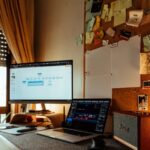


Creating a productive home office environment is essential for anyone working remotely or managing tasks from home. A well-designed workspace can improve focus, reduce stress, and boost overall work performance. Whether you’re setting up a room from scratch or optimizing a corner of your living space, these tips will help you create an effective home office that encourages productivity and wellbeing.
Choose the Right Location
Selecting the right spot for your home office is the first step. Ideally, pick a quiet space away from high traffic areas like the kitchen or living room. Natural light is a bonus—it helps reduce eye strain and improves mood—so try to set up near a window if possible.
If space is limited, consider using room dividers or screens to create a distinct boundary between your work area and living space. This separation helps maintain focus and signals to family members when you’re “at work.”
Invest in Ergonomic Furniture
Your body will thank you for investing in comfortable, ergonomic furniture. A supportive office chair with adjustable height and lumbar support reduces the risk of back pain. Pair this with a desk at the appropriate height to prevent strain on your wrists, shoulders, and neck.
If you don’t have space or budget for a full desk, consider alternatives like adjustable laptop stands and external keyboards to maintain proper posture. Standing desks or desk converters are also popular for alternating between sitting and standing during the day.
Organize Your Workspace
A cluttered desk can lead to a cluttered mind. Keep your workspace organized with storage solutions like shelves, drawers, and desk organizers. Use labeled containers to separate office supplies and paperwork, making it easy to find what you need quickly.
Regularly declutter your workspace to maintain a tidy environment. This habit helps reduce distractions and creates a sense of order that promotes productivity.
Optimize Lighting
Besides natural light, proper artificial lighting is important, especially if you work early mornings or late evenings. Use a desk lamp with adjustable brightness to avoid glare on your screen and reduce eye strain.
Choose warm or neutral white bulbs to make the space inviting but not too dim. Position lighting so it illuminates your work area without casting shadows.
Minimize Distractions
Distractions are one of the biggest challenges when working from home. To help maintain focus, consider these tips:
– Use noise-canceling headphones or play background music or white noise.
– Set clear boundaries with family or roommates during work hours.
– Turn off non-essential phone notifications.
– Use apps or browser extensions to block distracting websites.
Creating a distraction-free zone supports deeper concentration and better work output.
Personalize Your Space
Adding personal touches can make your office feel welcoming and motivating. Photos, plants, artwork, or inspiring quotes create a pleasant atmosphere without overloading the space.
Plants especially are known to improve air quality and reduce stress. Just be sure to choose low-maintenance varieties that thrive indoors.
Keep Technology Updated and Organized
Reliable technology is key for smooth remote work. Ensure your computer, internet connection, printer, and other devices are up to date and functioning well. Organize cables with clips or sleeves to prevent tangles and maintain a clean look.
Backup important work files regularly and keep charging stations handy to avoid interruptions during the day.
Schedule Breaks and Movement
Even in a well-designed office, sitting for long hours can hinder productivity and health. Plan regular breaks to stretch, walk around, or do simple exercises. Consider techniques like the Pomodoro Technique (25 minutes focus, 5 minutes break) to maintain energy levels.
Standing up and moving boosts circulation and helps clear your mind, ultimately improving focus when you return to your tasks.
Use Color and Layout Thoughtfully
Colors can influence mood and productivity. Light blues and greens tend to be calming, while yellows can boost creativity. Choose colors that match your work style and keep the palette simple to avoid overstimulation.
Arrange furniture to allow easy movement and place high-use items within arm’s reach. A spacious layout encourages efficiency and comfort.
Maintain Work-Life Balance
Lastly, remember that a productive home office isn’t just about the physical space—it’s also about mindset. Set work hours and stick to them to create a clear division between work and personal life.
When your day ends, “leave” your office by shutting down devices and packing away work materials. This helps mentally recharge and prevents burnout over time.
—
Creating a productive home office environment takes planning and thoughtful choices, but the payoff is a more enjoyable and efficient workday. With these tips, you can design a space that supports your best work and well-being right at home.